Hidden Wedding Venue Costs: What to Check Beyond the Venue Fee
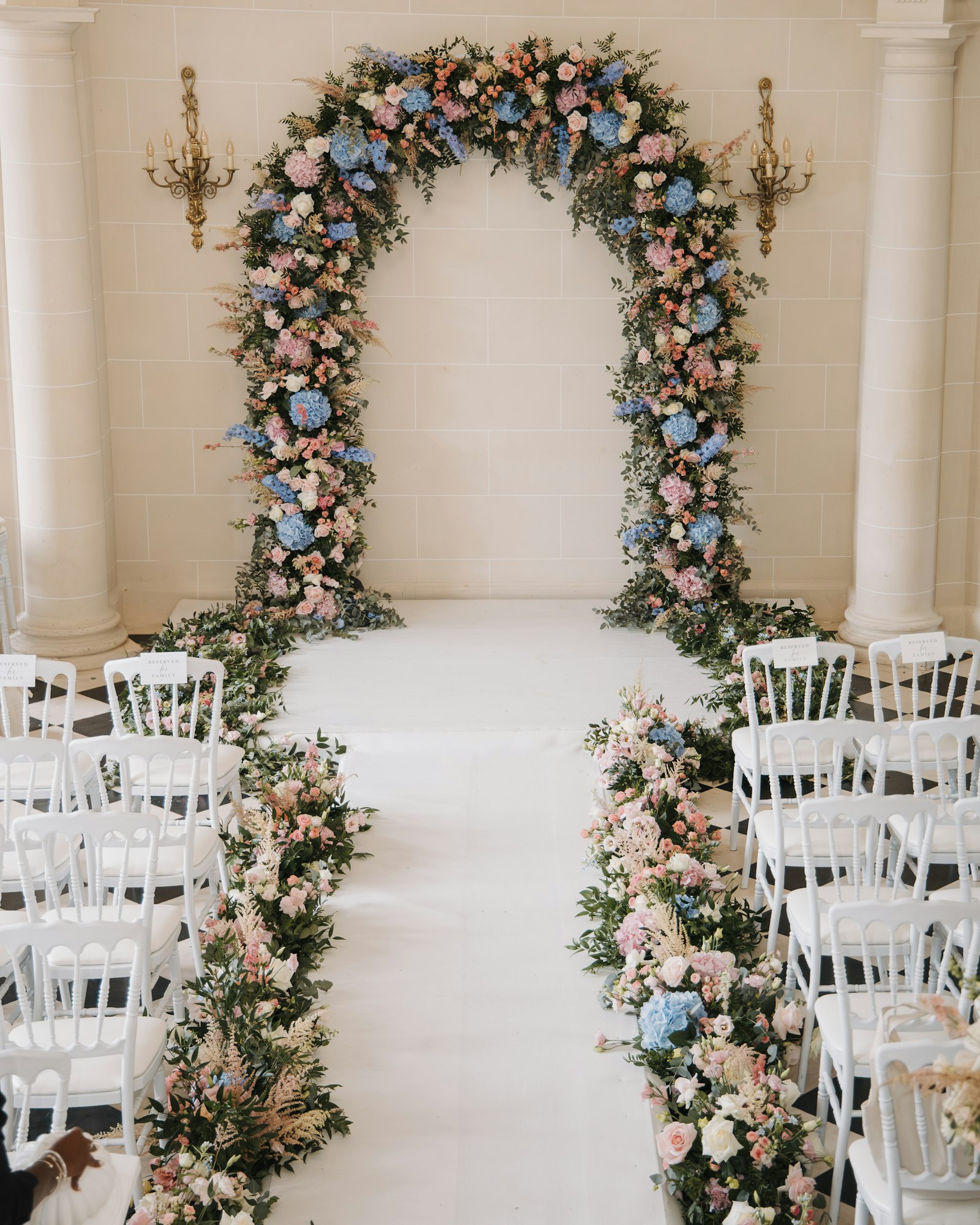
You’ve found a venue you can picture yourselves getting married in, and the venue quote looks promising. Then you start looking more closely. Are the chairs included? Who sets everything up? And does bringing your own wine come with a charge?
Those answers help you understand what the quoted price actually buys you. “Hidden” costs can be items excluded from the hire fee, charges that depend on your plans, or details spread across a brochure, and venue walkthrough notes.
An extra charge isn’t automatically a problem, but you need to know where it fits before you can decide whether the venue works for your plans. Let’s work through the details that can change your total, and how to bring them together as part of your DIY wedding coordination.
What does your venue quote actually include?
Most venue quotes contain four kinds of cost, and they behave very differently. Some items are included in the hire fee or package. Some are charged separately, whether or not they appear on the same piece of paper. Some are variable, moving with your guest numbers, timings, suppliers or drinks arrangements. And some are simply unconfirmed: mentioned on a tour, implied in a brochure, or missing altogether.
That is why the hire fee on its own can’t answer the question you actually have, which is not “what does this venue charge?” but “what will this venue cost for the wedding we want to hold?” To make your venue planning life easier, we've highlighted the key cost areas that cause couples headaches, and help you work through the details that move those figure, to bring them into a single provisional total. Keep your quote or brochure beside you if you have one to help you!
The charges that can change your venue total
Perhaps you’re hoping to bring your own wine, or you can see a service charge on the quote and aren’t sure what it covers. These are the charges most likely to shift your total once your plans firm up. For each one, it helps to establish whether it is fixed, per person, per item or a percentage, and then whether it is already inside the quoted figure.
Taxes and local charges
Quotes aren’t always presented on the same tax basis, so two venues can look further apart than they are. Ask for an itemised total that includes all applicable taxes, and check separately issued catering and equipment quotes the same way. Tax treatment can vary by location and by service, so don’t assume every line is handled identically, and leave anything unclear marked “to confirm”.
Service charge
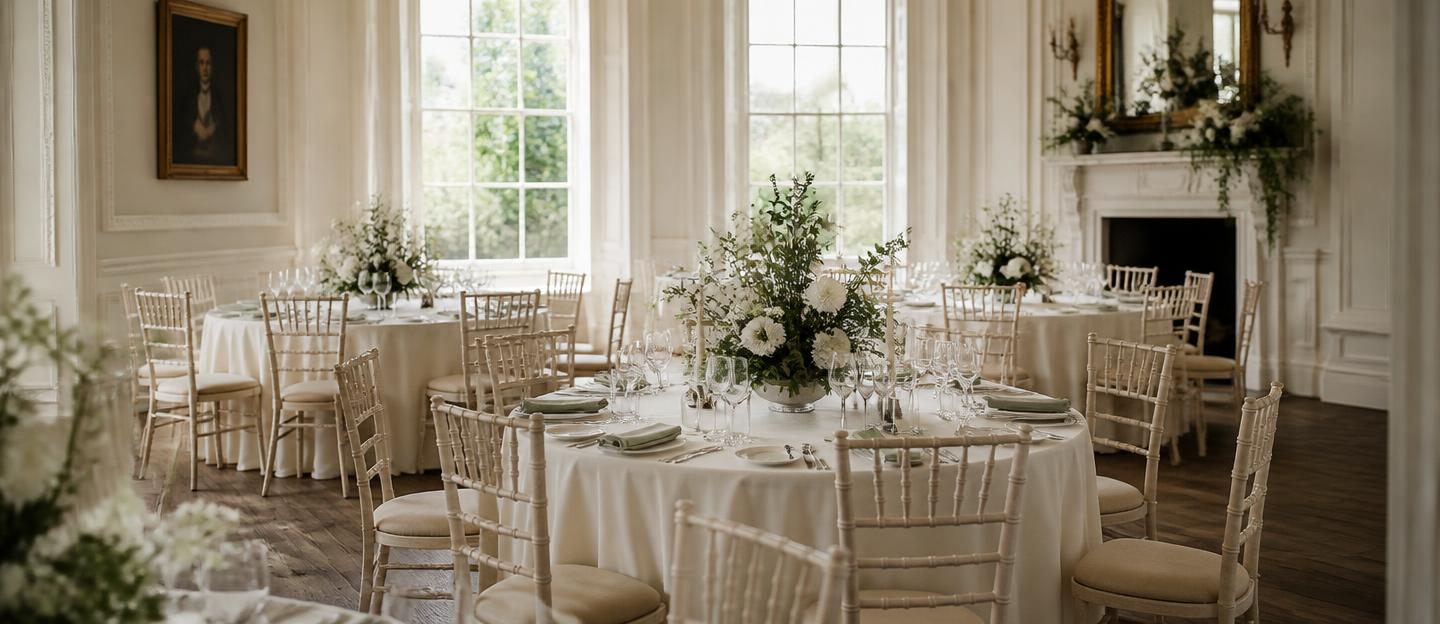
A service charge may be mandatory or optional, and what it covers varies between venues. The phrase alone doesn’t tell you whether bar staff, security or the room turnaround are included. Ask which items it applies to, how tax is treated, and what staffing stays separate.
Corkage and bringing your own drinks
That is why the hire fee on its own can’t answer the question you actually have, which is not “what does this venue charge?” but “what will this venue cost for the wedding we want to hold?” To make your wedding planning life easier, we've highlighted the key cost areas that cause couples headaches, and help you work through the details that move those figure, to bring them into a single provisional total. Keep your venue walkthrough notes, or brochure beside you if you have one; the same questions work just as well at a viewing!
- Charged per bottle brought, bottle opened, per guest or a fixed fee?
- Which drinks are covered, including soft drinks and mixers?
- Allowed all day, or only during certain hours?
Minimum spend requirements
A minimum spend only makes sense once you know what counts towards it. Ask whether food, drinks packages and guest bar purchases all qualify, and how tax and service charges are treated within that figure. Ask separately about minimum guest numbers you must pay for, which is a different commitment that can catch out smaller weddings.
Who sets up, turns the room around and clears away?
Think about the moments when the space needs to change around you: the ceremony finishes, drinks begin, and the room needs to be ready for dinner. Someone has to move the furniture, clear the glasses and prepare the next part of the day. The useful detail in your quote is who will do those jobs, and how long they’ll be there.
Staffing and on-the-day support
“Staff included” is worth turning into roles, hours and responsibilities: waiting staff, bar staff, a coordinator, cleaning and security. It’s worth knowing what the venue coordinator will actually handle on the day, and what happens to those hours if your guest numbers or timings change.
Room turnaround and cleaning
Table clearing, washing hired items, decor removal and rubbish are often separate tasks, sometimes handled by different people. If friends or family are helping, their tasks and access times need to be agreed too, rather than assumed. Two questions usually settle it:
- Who resets the space between parts of the day, and is that labour included?
- Can you use the venue’s bins, or must you arrange waste removal, and by when?
Access times and evening wrap-up
The music finish, bar close, guest departure and supplier exit are often four different times, so it’s worth recording them separately. Ask whether extra time is even permitted before you ask what it costs, then confirm overrun charges, how time is rounded, and the knock-on effect on staff hours and supplier collection costs.
- Supplier access and setup — When can suppliers, and helping friends or family, get in?
- Guest arrival — Does the hire period start before guests arrive?
- Music finish — A fixed deadline that overtime may not extend.
- Bar close — Often earlier or later than the music finish.
- Guest departure — Transport and staffing hours depend on this.
- Supplier exit and collection — Same night, or next-day collection with a deadline?
What will you need to bring into the venue?
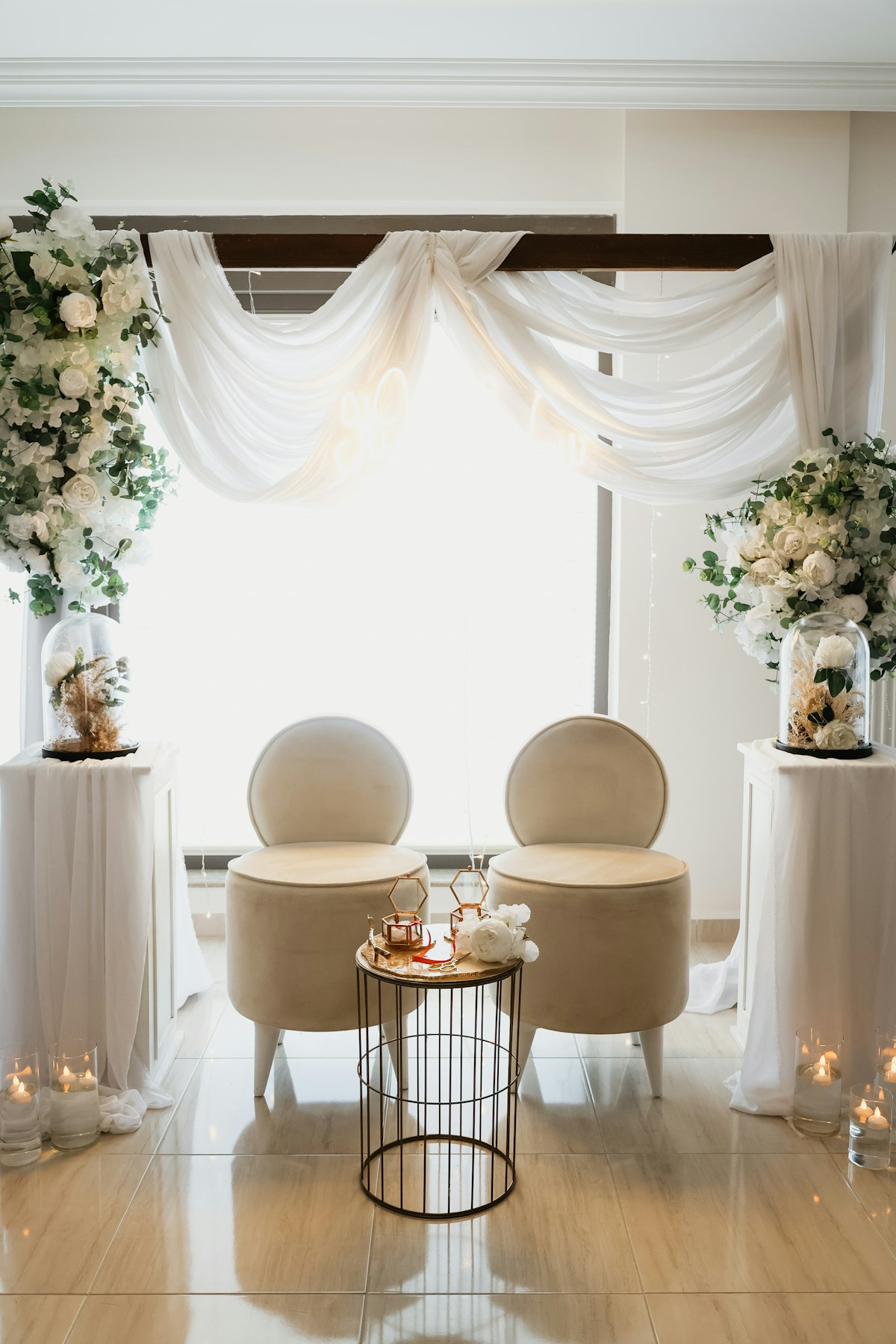
Once you know what the venue provides, the next question is what you’ll need to bring in, and how those deliveries and collections fit around your hire period. Anything that isn’t on the venue’s inventory has to be hired, transported, set up and taken away again, and each of those steps can carry a cost.
Chairs, linen and tableware
Ask for an inventory for your package and guest count rather than relying on the photographs. Check chair styles and quantities for both ceremony and reception, plus tables, linen, crockery, cutlery and glassware, and ask whether the same chairs need moving between spaces during the day. Distinguish standard inclusions from optional upgrades, and check delivery, washing and collection. Comparing the venue and caterer inventories side by side also stops you paying twice for the same glassware.
Lighting, AV and the dancefloor
Check the equipment your actual layout needs: lighting, speakers, microphones, power, a dancefloor and any stage. Is the sound system suitable for speeches as well as your planned entertainment? Share any sound limits with your band or DJ before booking, and establish whether the quote covers installation, operators and removal as well as hire.
External suppliers, delivery and access
Ask whether a “preferred” supplier list is a recommendation or a requirement. If you want your own caterer or bar, check approval requirements, outside-supplier or “buy-out” fees, and access charges for kitchens, fridges and power. It’s worth asking your suppliers whether their quotes already include any venue-imposed fees.
Give suppliers the venue’s delivery, loading, setup, parking, storage and collection arrangements before relying on their quotes. Check whether your setup needs earlier or day-before access, and whether items can be stored securely for next-day collection. The venue confirms availability and access fees; each supplier confirms what those timings mean for their labour and delivery costs.
Will the venue still work if your plans change?
Guest numbers move, and the weather does what it likes. Both can change what this venue costs, so it’s worth knowing now which arrangements are already reserved for you and which would be priced later.
Wet-weather arrangements
Ask whether the weather backup is reserved for you, fits your full guest count and is included in the quote. Check furniture moves, staff, cover, walkways and heating. Confirm whether a charge applies to reserving the space, using it, or both, and when the decision must be made.
Guests, meals and accommodation
Catering should reflect children, evening-only guests, supplier meals and dietary requirements. If the site needs additional toilets or heating, include servicing, fuel and collection where applicable. Ask about parking, transport and accommodation commitments, including whether you could owe money for unused rooms.
Separate the costs you will pay from the costs guests will pay themselves, and include any accommodation you plan to fund or room commitments you are responsible for. This is also the moment to check practical accessibility arrangements for the spaces and services you need.
When the brochure, quote and terms don’t match
Perhaps you remember being told that ceremony chairs were included, but you can’t find them anywhere in the quote. Or an email mentions next-day collection while the booking details say everything must leave that night. You don’t have to work out which version is right on your own, just put the two details side by side and ask the venue to clarify.
A simple gap table keeps track of what’s missing or contradictory across the brochure, quote, emails and booking terms. The examples below are illustrative.
| What you see | What needs clarifying | Question to ask |
|---|---|---|
| Chairs are included in the brochure but absent from the quote. | Whether that inclusion applies to your package. | Are ceremony chairs included in our total for the full guest count? Please add the specification. |
| “Linen available” in the brochure; a setup charge in the quote. | Per-person versus fixed pricing, and what the charge covers. | Is linen charged per person, per table or as a fixed fee, and what quantity is covered? |
| A “preferred” supplier list and an outside-caterer fee. | Mandatory versus optional supplier arrangements. | Must we use the list, and when does the outside-caterer fee apply? |
| Indoor backup mentioned on the tour; only outdoor space quoted. | Available versus reserved and included. | Is the backup reserved for us, and what would reserving or using it cost? |
| Upgraded chairs are clearly priced as optional. | A disclosed extra; confirm the standard alternative. | Can we use the included standard chairs without an upgrade charge? |
| An email allows late collection; the terms require removal that night. | A contradiction affecting access and cost. | Which deadline applies, and can you reconcile the documents and charges in writing? |
An extra cost just needs clarity
A clearly priced extra is simply a decision about whether you need it. A missing quote line needs clarification. An unresolved contradiction, or a refusal to explain a compulsory cost before a deposit, is a reason to pause. And a price or restriction may make a venue unsuitable for your plans without suggesting anything is wrong with the venue.
Bring everything into one venue total
Venues break their costs down in different ways, which is what makes quotes so hard to read against each other. Putting quotes on the same basis means rebuilding each one the same way, so you are comparing the same wedding at every venue. Work through these five steps for each venue, recording each cost only once.
- Check how taxes apply to your quote. Start with the hire fee or package for your chosen date and numbers. Confirm the included spaces, hours and services, including any separate ceremony-room fee, and use the tax-inclusive amounts confirmed by each quote issuer.
- Required venue extras. Add compulsory fees that are absent from the base quote. For percentage charges, confirm the subtotal they are applied to and how tax is treated. Record minimum-spend terms here, then calculate any shortfall in step four.
- Fill the furniture and facilities gaps. Use the inventory checks above to price the missing items your plans require, including delivery, installation and removal. Match quantities to your guest count and watch for overlap between the venue and caterer quotes.
- Calculate food and drinks on matching assumptions. Use the same guest categories and catering requirements at every venue. For drinks, compare equivalent quantities and service hours: a venue package and a bring-your-own arrangement may cover different parts of the day.
Bring-your-own drinks total = drinks purchase cost + applicable corkage + glassware, chilling, ice and serving costs not already included.
Use the venue’s agreed charging basis — for example, bottles opened × fee per bottle, or chargeable guests × fee per person. Mark estimated quantities, and account for any hours when you must use the venue bar.
Covering the difference if guest spending is low = the greater of zero or (minimum spend − eligible spend).
So a minimum of £3,000 with eligible spending of £2,400 leaves a shortfall of £600. Confirm what qualifies and who pays it, and treat expected guest bar spending as an estimate rather than a certainty.
- Add access costs and show what remains uncertain. Add agreed access and collection charges, plus the supplier labour those timings require. Keep conditional costs, such as using the weather backup, separate from your main scenario. Label estimates and unpriced items clearly: a missing price is not zero.
That gives you one comparable figure per venue: base hire or package + required extras and missing essentials + chosen venue options + separately supplied food and drinks + access and collection costs + payable minimum-spend shortfall − confirmed discounts. Use amounts including applicable tax and service charges, add only costs not already covered by another line, and deduct only confirmed discounts that haven’t already been applied.
- Base package (hire fee, agreed date and numbers)
- £6,000
- Compulsory extras
- + £450
- Missing equipment we must hire in
- + £700
- Separately supplied drinks and service
- + £1,100
- Access and collection costs
- + £250
- Provisional venue total
- £8,500
- Conditional: with the wet-weather option (+400)
- £8,900
- Refundable damage deposit (cash needed upfront, not part of the total)
- £500
- Still unpriced: florist access fee, late-collection charge
- to confirm
What to confirm before you book
Once your questions are answered, ask for one updated itemised quote recording your date, guest numbers, spaces, timings, inventory and extras, and distinguishing fixed, per-person, estimated and optional charges. It should also record the agreed responsibilities for room resets, access and clear-down.
Confirm quote validity, which prices can change and how, guest-number deadlines and anything still subject to availability. Include the damage-deposit inspection, deduction and return terms, and ask the venue to resolve any differences between the quote, the booking terms and what was discussed earlier.
Ask: Please send an updated itemised quote showing our inclusions, required extras, optional extras and any variable charges, and confirm that it matches the booking terms and arrangements discussed.
Still have a few unanswered questions?
If you’ve worked through your quote and still have a few unanswered questions, the venue checker can help you review what you know and identify what to ask next.